Poker Bluffing Guide For Strong Competitive Skills
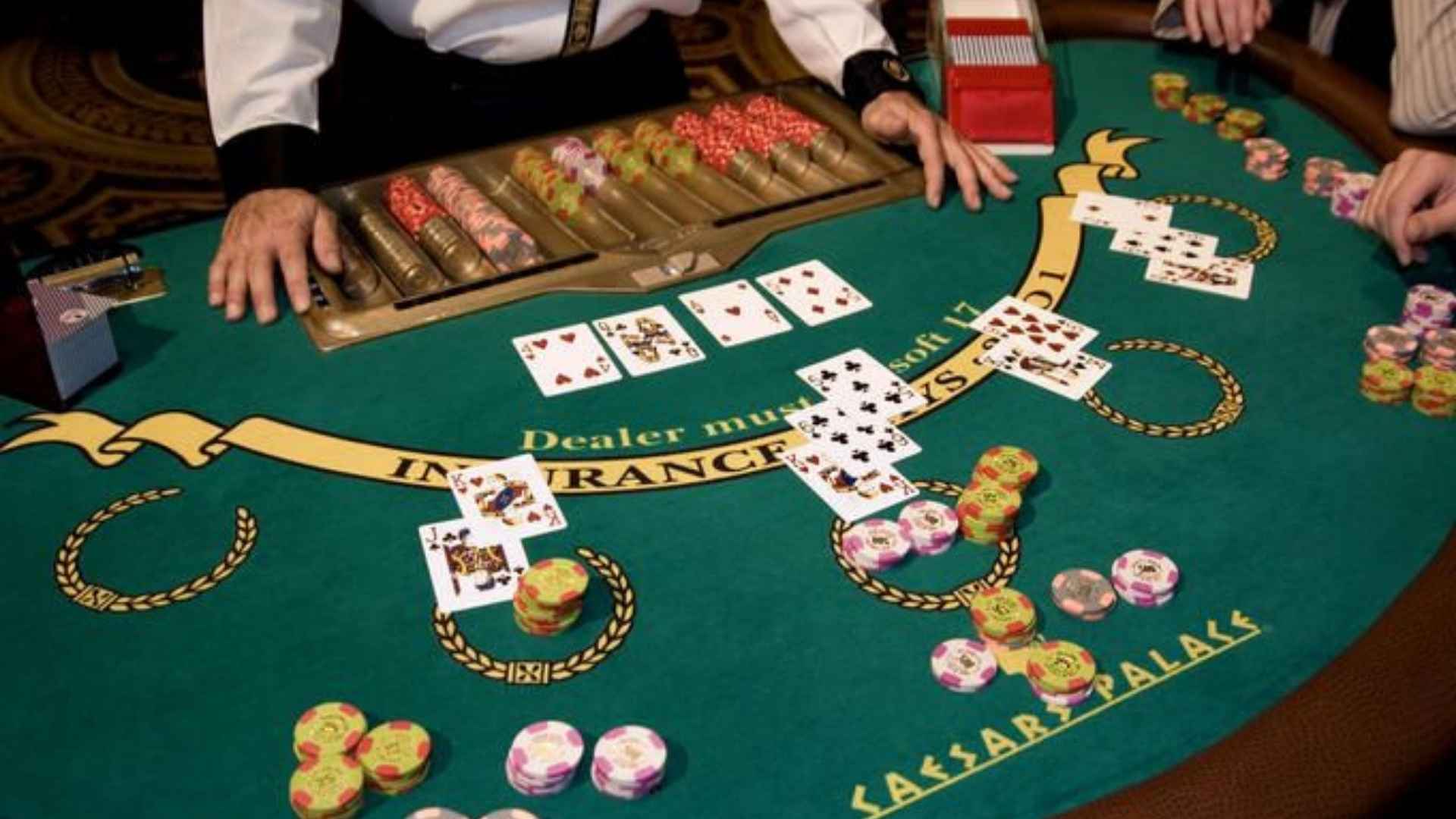
Developing strong competitive skills at the card table requires far more than just receiving premium starting hands. Elite players understand that tactical deception is a cornerstone of long-term profitability and strategic superiority in high-stakes environments. By mastering the psychological nuances of execution, you can consistently dictate the flow of the game regardless of your actual holdings.
The Psychology of Competitive Deception
To successfully execute a bluff against experienced opponents, you must first construct a believable narrative through your betting actions. Randomly throwing chips into the pot without a clear strategic purpose usually leads to unnecessary financial losses. Competitors must study the subtle table dynamics to ensure their aggressive actions align logically with previous rounds.
Understanding how your table image affects your opponents' decision-making process is vital for high-level tactical performance. If you have maintained a highly conservative reputation over several hours, your sudden representation of a powerful hand carries immense weight. Conversely, loose players must restrict their theatrical plays to avoid immediate exposure by observant rivals.
Analyzing Opponent Ranges and Tendencies
Accurately reading the specific ranges of your adversaries provides the necessary foundation for advanced table maneuvers. You can follow industry updates and expert breakdowns on platforms like Mansion Sports to further sharpen your analytical capabilities. Recognizing which players are prone to folding under intense pressure allows you to select the most profitable targets.
Tight competitors are generally much easier to exploit when threatening cards appear on the board during later streets. Highly aggressive opponents, however, require you to adapt your approach and rely on solid counter-strategies rather than direct deception. Evaluating these individual behavioral patterns ensures a significantly higher success rate across multiple competitive sessions.
Mathematical Foundations of the Semi-Bluff
A sophisticated bluff should never rely purely on emotional guesswork or basic intuition while playing a hand. Incorporating semi-bluffs into your regular routine provides a dependable safety net by offering multiple paths to winning the pot. This strategic method allows you to win immediately through fold equity or later by hitting your active draws.
Calculating precise pot odds and understanding range distributions in real time separates professional thinkers from casual amateur players. Knowing the exact mathematical probability of your success helps maintain absolute emotional discipline during intense tournament stages. Combining calculated risks with logical reasoning forms an incredibly formidable and unpredictable playing style.
Maintaining Long-Term Table Awareness
Consistency in competitive card games depends heavily on your ability to alter your strategies dynamically as the match progresses. Remaining static or predictable makes you an easy target for seasoned veterans who monitor every single betting variation. True table mastery involves constantly re-evaluating your position and stack sizes relative to your opponents.
Continued deliberate practice turns these advanced theoretical principles into intuitive habits that surface naturally during crucial moments. Balancing risk and reward effectively ensures that your chip stack remains well-protected against unexpected variances. Refining these mental skills will ultimately elevate your overall performance to a professional competitive standard.