Recent Post
Learning Through Probability-Based Challenges ...
Exploring the world of uncertainty through structured activities offers an exceptional way to develop critical cognitive skills. By participating in probability-based challenges, individuals learn to navigate unpredictable situations with greater analytical clarity. This educational approach transforms abstract mathematical theories into practical tools for daily decision-making.
The Cognitive Mechanics of Probabilistic Thinking
At the core of probability education is the development of a balanced mental framework to process randomness. Traditional learning models often rely heavily on memorizing formulas, which can limit a student's capacity to apply logic in real-world scenarios. Engaging with active challenges helps learners recognize patterns within random sequences and systematically evaluate potential outcomes.
Overcoming these cognitive hurdles helps build key mathematical micro-structures like predictive analysis and risk tracking. When individuals face controlled scenarios involving chance, they learn to separate emotional bias from actual statistical evidence. This systematic shift in perspective encourages a more objective understanding of variables that shape daily events.
Balancing Descriptive and Experiential Learning
Modern studies show a distinct difference in how people perceive likelihood based on how they receive data. Descriptive learning involves analyzing predefined statistics, while experiential learning relies on repeated trials and personal observations. Combining both methods inside analytical challenges provides a comprehensive understanding of statistical margins.
Familiarity with both perspectives allows participants to minimize common cognitive flaws such as overconfidence or reliance on habit. For those looking to follow contemporary digital trends and sports analytics, referencing an updated information hub like Mansion Sports can provide valuable context on how random parameters function in dynamic environments. Mastering this balance ensures that individuals can assess complex risks without falling victim to sudden behavioral biases.
Practical Applications in Risk Assessment
Probability exercises extend far beyond the classroom and influence various professional sectors including economics, insurance, and strategic planning. Training the human mind to calculate odds accurately reduces the general anxiety associated with unknown factors. Individuals become equipped to prioritize impactful decisions rather than spending excessive energy chasing random outliers.
Furthermore, these challenges teach people to construct realistic sample spaces and anticipate the consequences of specific choices. Cultivating these analytical traits empowers modern citizens to make sound judgments in high-pressure situations. Ultimately, embracing probabilistic thinking converts uncertainty from a source of stress into a manageable variable.

Creative Online Scratch Card Experiences ...
Online scratch cards have evolved dramatically from their simple physical origins, transforming into highly engaging digital games. Modern developers leverage advanced graphics and interactive storytelling to turn a quick reveal into a memorable entertainment session. As technology progresses, players can discover highly imaginative mechanics that breathe new life into this traditional pastime.
The Evolution of Interactive Visual Themes
Gone are the days when scratch games were limited to basic silver foils and static numbers on a cardboard background. Today, digital platforms introduce gorgeous animations, shifting backdrops, and multi-layered reveals that react to every player action. These aesthetic upgrades ensure that each individual reveal feels like a miniature journey rather than a simple mathematical outcome.
Furthermore, developers are increasingly drawing inspiration from cinema, pop culture, and high fantasy to build cohesive worlds. Players might find themselves exploring a forgotten tomb or diving deep into an alien ocean just to uncover hidden patterns. This thematic depth makes the casual gaming landscape far more immersive and enjoyable for new audiences.
Innovative Mechanics Transforming Traditional Gameplay
Beyond visual changes, creative online formats now incorporate complex gameplay mechanics that mirror modern video games. Many digital variants include features like cascading symbols, unlockable achievements, and hidden bonus rounds that add multiple layers of engagement. These adjustments help transition the activity from a game of pure luck into a strategic and engaging entertainment option.
For those looking to explore how these interactive components function in premium settings, checking out dynamic hubs like Mansion Sports offers a great look into high-quality digital design trends. Such platforms showcase how modern developers seamlessly integrate narrative progression directly into immediate prize reveal systems. This subtle blend keeps players entertained while maintaining the fast-paced nature that defines the original concept.
How Gamification Enhances Player Engagement
Another major shift in the digital scratch space is the introduction of progressive leveling systems and daily community challenges. Instead of buying isolated tickets, users now participate in broader missions where accumulated points unlock exclusive graphical skins or special game modes. This approach fosters a sense of personal achievement and continuous progression across various gaming sessions.
Additionally, localized leaderboards allow casual participants to compare their milestone reveals with other players in real time. Introducing friendly competition adds a social layer that physical scratch tickets could never replicate efficiently. Ultimately, these creative reward loops ensure that the modern iteration remains fresh and thrilling over extended play periods.
Prioritizing Balance and Fair Entertainment
While the visual and technical upgrades are impressive, maintaining a transparent and secure gaming environment is essential for player trust. Digital iterations rely on sophisticated audited random number generators to ensure that every virtual scratch is entirely independent and provably fair. Understanding these operational foundations helps participants engage with the platforms confidently and safely.
Approaching these modern digital variations primarily as a form of casual, affordable entertainment ensures a long-term positive experience. Establishing clear boundaries regarding personal limits allows players to appreciate the creative artistry behind modern designs without stress. When enjoyed responsibly, these innovative digital experiences offer a brilliant snapshot of the future of interactive casual gaming.

Lucky Draw Events That Stand Above the Competition ...
The landscape of promotional giveaways has grown incredibly crowded as brands compete heavily for consumer attention. While many standard raffles fail to maintain long-term public interest, premier operators are changing the formula by creating immersive digital experiences. Understanding the elements that elevate a campaign helps participants identify top-tier opportunities that offer genuine entertainment and security.
Prioritizing Transparency and Auditable Systems
The most significant factor that separates elite promotional drawings from standard giveaways is verified fairness. Modern participants demand clear confirmation that every single entry has an equal opportunity to win. Leading organizations achieve this by utilizing advanced cryptographic tools and automated verification protocols to manage their pools openly.
When a platform invests in auditable infrastructure, it establishes a reliable foundation of trust that benefits the entire community. Enthusiasts who closely follow dynamic sports and interactive gaming updates often look for these exact security benchmarks. Engaging with trusted resources like Mansion Sports allows users to discover platforms that maintain verifiable compliance and open operational standards.
Designing Balanced and Diverse Prize Pools
Many traditional campaigns focus entirely on a single massive reward to draw in massive crowds of hopeful entrants. However, premium initiatives recognize that multi-tiered reward structures keep participants much more satisfied over an extended timeline. By distributing a variety of smaller, practical prizes alongside a major grand prize, organizers ensure a higher satisfaction rate.
This balanced distribution strategy creates multiple layers of excitement and reduces the fatigue often associated with winner-take-all scenarios. Participants feel that their time investment is truly respected when there are realistic chances to secure secondary rewards. As a result, these diversified campaigns consistently maintain high engagement levels throughout their entire duration.
Integrating Interactive Community Milestones
Top-tier promotional events are moving away from passive entry methods toward active, community-driven experiences. Incorporating cooperative challenges and interactive milestones transforms a simple drawing into a lively social event. Participants can unlock enhanced reward tiers collectively, fostering a strong sense of unity and shared enthusiasm.
This modern approach turns individual luck into a collaborative journey that keeps users coming back regularly. Gamified features encourage healthy interaction on community boards where players discuss strategies and celebrate collective milestones. Ultimately, lucky draw events that emphasize community connection naturally stand far above the standard competition.
Keno Draw Frequency Explained ...
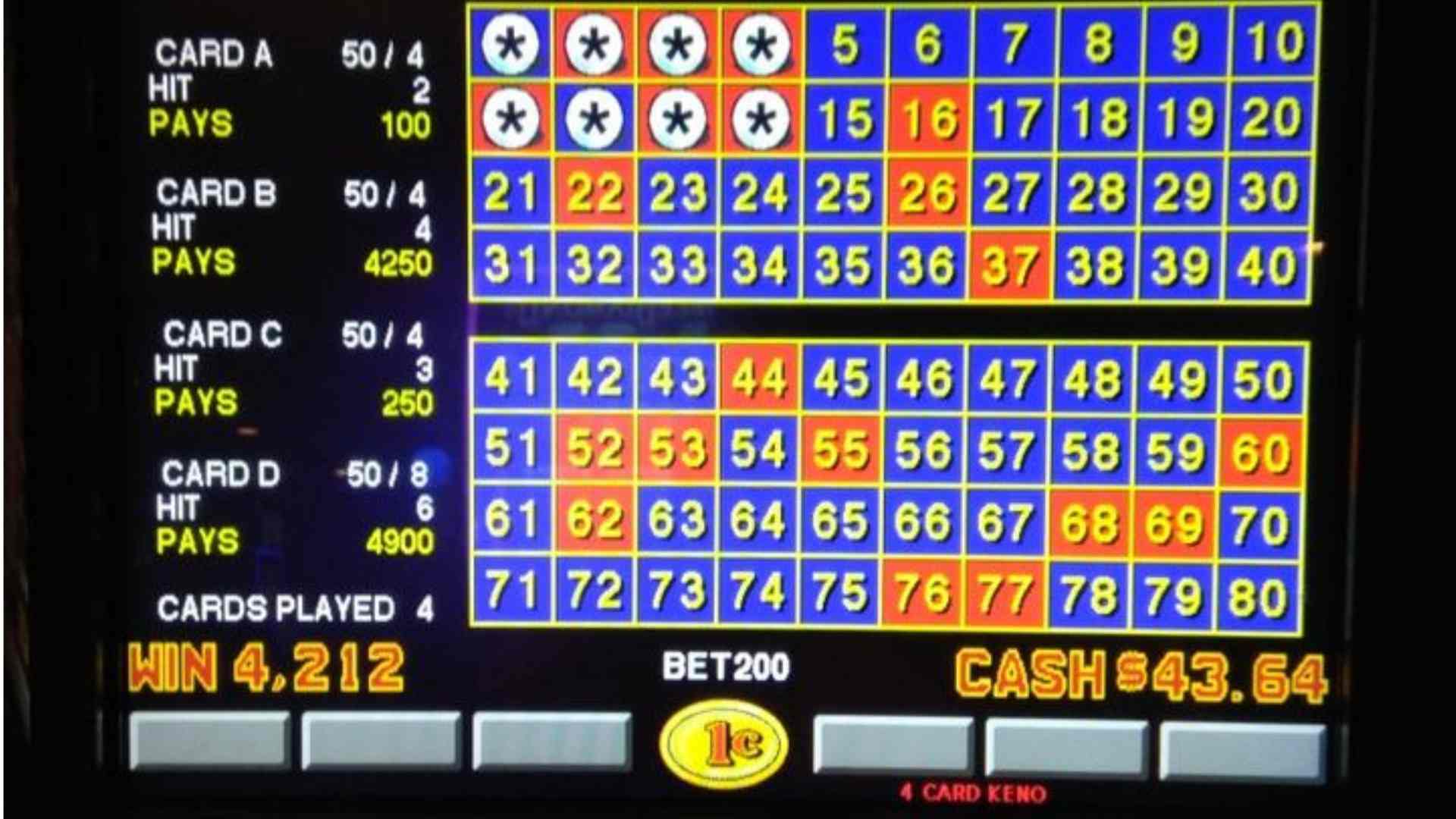
Keno remains one of the most accessible and exciting numbers games available in the modern gaming world. A major factor that influences how enthusiasts engage with this lottery-style game is the intervals at which winning numbers are selected. Understanding the concept of draw frequency allows players to better manage their expectations and appreciate the true mechanics of the game.
The Concept of Time Interval in Modern Keno
In traditional gaming venues, keno events might occur only a few times an hour or even once a day. However, digital platforms have completely transformed this landscape by introducing fast-paced versions that run every few minutes. This rapid availability means that individuals can experience a high volume of action within a relatively short period.
For many enthusiasts, following updates on platforms like Mansion Sports provides excellent context on how modern platforms handle these quick cycles. The acceleration of these gaming schedules has changed how participants plan their leisure time and approach their selections. Knowing whether a game draws every four minutes or once an hour completely changes the atmosphere of the session.
How Independent Events Shape the Outcomes
It is incredibly crucial to understand that every single keno selection process is an entirely independent event. A common misconception among casual participants is that past results heavily influence upcoming selections in a predictable manner. In reality, the systems responsible for selecting the winning squares retain no memory of previous rounds.
Because each round starts with a clean slate, the physical or digital frequency of the game does not alter individual mathematical probabilities. The statistical likelihood of any specific number appearing remains identical whether the game is played consecutively or hours apart. Recognizing this mathematical truth helps separate common gaming myths from reality.
The Impact of Pace on Session Management
The speed at which results are delivered has a direct correlation with how quickly a player moves through their pre-allocated entertainment funds. High-frequency variations demand a much more disciplined approach to pacing and overall session duration. When outcomes are revealed every few moments, it is remarkably easy to lose track of the total rounds played.
Establishing strict limits before starting a session ensures that the experience remains entirely focused on entertainment and fun. Taking regular breaks between rapid intervals can help maintain a clear perspective and prevent impulsive choices. Balancing your personal participation speed with your entertainment budget is always a recommended best practice.
Choosing the Right Speed for Your Style
Every individual looking to enjoy this historic numbers game has unique preferences regarding pacing and excitement levels. Some people prefer the slow anticipation of daily national drawings, where checking the numbers becomes a relaxed routine. Others thrive on the immediate feedback provided by contemporary online software modules.
Ultimately, exploring different formats helps you discover which draw interval aligns best with your lifestyle and comfort levels. No matter which option you choose, the underlying core mechanics of random selection remain constant throughout. Finding your ideal rhythm ensures a balanced, responsible, and thoroughly enjoyable pastime.

Understanding Competitive Rummy at a Higher Level ...
Transitioning from casual rummy games to high-level competitive tournaments requires a complete shift in both strategy and mindset. Experienced players do not rely on luck, but rather treat the game as a complex mathematical and psychological puzzle. Mastering these advanced concepts is essential for anyone looking to consistently dominate on the tournament circuit.
The Mathematics of Card Tracking
At an elite level, competitive players keep track of every card that enters and leaves the discard pile. This active mental mapping allows players to calculate the probability of drawing their required cards with high accuracy. Understanding which cards are safe to discard prevents you from accidentally handing a victory to your opponents.
Additionally, card tracking helps in reconstructing the exact hand structure of the players sitting around you. By observing which cards they bypass, you can deduce their strategy and block their potential sets. This analytical approach elevates your defensive play, which is often more critical than offensive sequences in tight matches.
Psychological Warfare and Table Image
High-level rummy is as much about managing human behavior as it is about managing the deck of cards. Professional competitors carefully control their decision-making times to avoid giving away clues about the strength of their hand. Creating a deceptive table image can induce mistakes from even the most seasoned opponents.
Bluffing and strategic discarding can bait other players into throwing the exact card you need to complete your sequence. By analyzing match reports on platforms like Mansion Sports, enthusiast players can learn how top-tier professionals handle psychological pressure. Emotional discipline under tight timers is ultimately what separates tournament champions from intermediate players.
Advanced Risk Management and Discarding Tactics
One of the hardest lessons for rising competitors is learning when to execute a calculated drop. Accepting a small, fixed penalty early is vastly superior to playing a weak hand that risks a massive point loss. Advanced players constantly evaluate their hand's viability within the first two turns to minimize exposure.
Furthermore, prioritizing the disposal of high-value cards early in the round protects your score if an opponent declares unexpectedly. Holding onto high cards for too long is a common mistake that competitive players quickly exploit. Balancing aggressive set building with defensive discarding is the hallmark of master-level play.
Adapting to Multi-Round Tournament Formats
Tournament environments introduce unique variables like cumulative scoring and shifting player dynamics across multiple rounds. Your strategy in the opening round must adapt as you move closer to the final table. Understanding when to play conservatively to preserve your lead is crucial for long-term tournament success.
Every round presents a fresh puzzle, requiring you to constantly recalibrate your risk tolerance based on the leaderboard. Champions remain highly adaptable, never sticking to a single rigid strategy throughout the event. This level of strategic flexibility is the ultimate trait of a world-class rummy competitor.

Wheel of Fortune Challenges Worth Mastering ...
Engaging with a classic word puzzle game is an excellent way to test your quick thinking and analytical skills. While many players rely entirely on luck, those who treat the game as a series of strategic obstacles often find much higher levels of success. Understanding how to navigate these hurdles can completely change your approach and elevate your overall performance.
Solving Complex Word Puzzles under Pressure
The core of any wheel-based puzzle game lies in your ability to recognize hidden patterns with limited clues. As the board begins to fill up, identifying the missing letters quickly becomes a race against time and your competitors. Players must train their brains to recognize common word structures and syllable prefixes to stay ahead of the game.
Familiarizing yourself with letter frequencies is one of the most effective ways to master this specific hurdle. Concentrating on popular consonants before risking your turn on rarer choices ensures you keep control of the board. Over time, this analytical mindset transforms difficult word patterns into highly predictable and solvable configurations.
Balancing High Risks with Smart Rewards
Spinning the wheel brings a unique mix of tension and excitement due to the constant threat of losing your hard-earned progress. Knowing when to keep spinning for a higher score and when to solve the puzzle is a critical decision-making process. Greed can often lead to a sudden turn loss, making risk mitigation an essential skill to develop.
To build confidence in handling these high-pressure scenarios, practicing in diverse gaming formats can be incredibly beneficial. Many gaming enthusiasts choose to read reviews and updates on Mansion Sports to find reliable platforms and sharpen their decision-making skills. Navigating different variations of the classic setup helps you adapt to unexpected rules and build long-term consistency.
Managing Your Resources and Turn Strategy
Another major obstacle players face is the proper management of their virtual currency during a live round. Spending too much on vowels early in the game can deplete your resources before you have a clear picture of the phrase. Successful players treat their budget as a tool to buy clues only when they hit a mental roadblock.
It is equally important to observe your opponents and learn from their mistakes during their active turns. If a competitor guesses an incorrect letter, it instantly eliminates a possibility and saves you from making the same error. Staying alert throughout the entire round ensures you are fully prepared to capitalize on any opportunity that comes your way.
Developing Long-Term Composure and Patience
Mental fatigue can easily set in during longer playing sessions, leading to careless mistakes and missed opportunities. Maintaining your focus through multiple rounds requires a level of patience that many beginners struggle to master. Embracing the learning curve allows you to see every wrong guess as a stepping stone toward better game awareness.
Ultimately, consistency on the board comes from combining strict discipline with an appreciation for the mechanics of the game. By breaking down each round into smaller, manageable decisions, you can enjoy the experience without unnecessary pressure. Consistent practice and a calm approach will help you master these rewarding challenges with ease.

Mystery Box Trends That Inspire Shoppers ...
The global retail landscape is undergoing a massive transformation as consumers seek out more immersive and emotionally engaging shopping experiences. Among the most influential movements driving this shift is the evolution of curated mystery boxes, which combine the joy of discovery with modern digital personalization. Today's trends are reshaping how shoppers interact with brands, turning simple transactions into memorable, thrill-filled adventures.
The Move Toward Sustainable Curation
Modern consumers are increasingly mindful of environmental impacts, prompting brands to design green mystery box alternatives. Instead of filler items, companies now curate highly specific packages that emphasize zero-waste packaging, organic materials, and durable goods. This shift ensures that every surprise unboxed aligns with the customer's personal values and ethical standards.
Furthermore, these eco-conscious choices prevent the buyer's remorse often associated with low-quality, generic surprise products. By focusing on sustainability, brands demonstrate that excitement does not have to come at the expense of our planet. Shoppers receive premium items they will actually use, creating a deeper sense of satisfaction and trust.
Immersive Virtual Unboxings and Interactive Apps
Technology has revolutionized the unboxing journey, allowing shoppers to participate in interactive digital reveals before their items even ship. Many e-commerce platforms now integrate augmented reality and gamified mechanics to let buyers preview potential premium rewards. This digital transformation keeps engagement levels exceptionally high throughout the entire transactional process.
This interactive digital dynamic mirrors the growing demand for highly engaging online media platforms. Enthusiasts who enjoy dynamic communities often follow trusted sources like Mansion Sports to capture the thrill of competition. Similarly, the integration of gamified mechanics in e-commerce satisfies the modern consumer's constant desire for entertainment.
Niche Personalization and Specialized Hobbies
Gone are the days of completely random mystery boxes that offer no relevance to the buyer's actual interests. The latest trend highlights hyper-segmented niches, catering specifically to artisanal coffee lovers, vintage gaming fans, and boutique skincare collectors. This deliberate specialization guarantees that the unboxing experience remains highly relevant and deeply satisfying for each individual.
By using customer data responsibly, retailers can tailor their selections to match the evolving preferences of their audience. This level of precise curation reduces waste while maximizing the emotional impact of the surprise element. Buyers feel understood by their favorite brands, which fosters long-term consumer loyalty and repeat engagement.
Collaborative Partnerships and Exclusive Drops
Excitement often peaks when leading brands collaborate with independent artists or pop culture icons to release limited-edition mystery collections. These exclusive drops trigger a powerful sense of urgency, as collectors scramble to obtain rare pieces that cannot be found anywhere else. The fear of missing out drives immense social media buzz and builds passionate fan communities around the products.
Ultimately, these high-profile partnerships elevate the mystery package from a simple novelty item into a valuable collector's piece. Shoppers are inspired not just by the physical items, but by the story and creative vision behind each collection. This collaborative approach ensures that the mystery box trend continues to feel fresh, innovative, and deeply inspiring.

Bridge Games Skills for Smarter Decisions ...
The game of bridge has long been celebrated as a premier exercise for the human intellect, demanding an intense combination of memory, strategy, and teamwork. Engaging in this complex card game goes far beyond simple entertainment, as it directly exercises the cognitive functions required to evaluate complex scenarios and mitigate risks. By consistently participating in these matches, players naturally cultivate a disciplined mindset that allows them to process vast amounts of unstructured information efficiently.
The Core Elements of Information Gathering
In every round of bridge, the initial phase relies heavily on the art of deduction and active listening during the bidding sequence. Players must carefully analyze every call made by both their partner and their opponents to form an accurate mental map of the hidden cards. This constant stream of subtle clues forces individuals to assess probability tables and make sound judgments based on partial evidence.
Developing this high level of situational awareness is useful because it teaches mind mapping skills that are highly transferable to regular challenges. Many enthusiasts utilize various tools or visit platforms like the M88 Msports Login page to explore strategic guides that help elevate their tactical awareness under immense pressure. Ultimately, learning to read these shifting dynamics ensures you stay several steps ahead of any unexpected obstacles.
Developing Long Term Strategic Plans
Once the bidding process concludes and the active gameplay begins, the declarer must instantly establish a comprehensive strategy for the entire hand. This requires looking past immediate gains to secure future advantages, which means carefully balancing the timing of specific card combinations. Successful players learn to anticipate multiple outcomes and adjust their approach when original plans face sudden resistance.
This mental discipline directly enhances an individual's ability to remain calm and analytical when circumstances change rapidly. It teaches you to accept short-term losses in exchange for securing a highly favorable outcome at the very end of the session. Cultivating this type of foresight remains one of the greatest benefits of deep card game practice.
The Importance of Collaborative Problem Solving
Unlike many other classic card games that focus entirely on solo performance, bridge is built completely on the foundation of a two-person partnership. You cannot win consistently by ignoring your teammate's input, meaning that clear and ethical communication is vital for long-term success. Partners must rely heavily on established signaling systems to convey their hand strength without revealing details directly to opponents.
This collaborative aspect teaches people how to trust other individuals and share heavy responsibilities during highly competitive situations. It reinforces the idea that smart collective choices are often far superior to isolated individual efforts. Embracing this shared dynamic leads to much smoother execution and fewer tactical errors over time.
Enhancing Analytical Focus and Daily Discipline
Regularly practicing bridge helps individuals build significant mental endurance, which naturally expands their general attention span over long periods. The deep concentration required to track fifty-two cards over multiple rounds prevents lazy mistakes and encourages complete mindfulness. Over time, these cognitive routines transform into automatic habits that naturally guide your everyday problem-solving capabilities.

Best Learning Resources for Poker Variants ...
While Texas Hold'em remains the undisputed king of the cardroom, expanding your horizon to other poker variants can significantly boost your overall game design, mathematical intuition, and analytical prowess. Exploring mixed games like Pot-Limit Omaha, Seven-Card Stud, or Razz requires dedicated study and access to high-quality training materials. Fortunately, modern educational platforms and structured tools make mastering these complex formats more accessible than ever before.
Interactive Training Software and Solvers
For players who want to build a deep mathematical understanding of non-traditional formats, specialized software tools are indispensable. GTO calculators and modern training apps let you simulate complex scenarios and receive instant feedback on your decisions. These interactive platforms help you visualize card distributions and ranges in real-time, which is essential when switching between formats with different hand structures.
Many modern platforms also feature structured quizzes that test your ability to calculate odds on the fly across multiple variations. By repeatedly drilling specific post-flop scenarios, you can build muscle memory for games like Omaha and Draw variants. Utilizing these digital tools ensures you do not waste real money making basic strategic errors at the physical or virtual tables.
Comprehensive Strategy Books and Literature
Classic poker literature remains one of the most reliable methods for building a strong theoretical foundation in mixed games. Renowned poker theorists have written comprehensive guides that break down the fundamental differences in starting hand selection and positional value across various game types. Reading these structured texts helps you understand the underlying philosophy of lowball and split-pot formats.
These books often provide detailed hand histories and step-by-step breakdowns of complex decisions made by veteran professionals. Engaging with this deep analysis allows you to transition your mindset from simple card-matching to complex long-term strategizing. When you are ready to put these theories into action, finding a reliable media resource like Mansion Sports can provide additional insights into the competitive landscape.
High-Quality Video Courses and Virtual Coaching
For visual learners, instructional video courses created by elite mixed-game professionals offer unparalleled value. These training platforms host structured video libraries that walk you through advanced concepts, from basic rules to high-stakes tournament tactics. Watching an expert player narrate their real-time decision-making process helps demystify the complexities of mixed-game dynamics.
Additionally, subscribing to interactive training websites gives you access to active community forums where you can post hand histories for peer review. Receiving feedback from more experienced players is one of the fastest ways to patch costly leaks in your strategic approach. This collaborative learning environment accelerates your progress and keeps you motivated as you tackle increasingly challenging poker variations.

Mahjong Guide to Effective Gameplay ...
Mahjong is a deeply strategic tile-based game that challenges players to balance risk and reward with every turn. Achieving mastery requires a solid understanding of how tiles interact and how to adapt your plans on the fly. By shifting your focus toward structured decisions, you can transform your casual matches into highly successful sessions.
Mastering Tile Efficiency
At the heart of effective gameplay lies the concept of tile efficiency, which prioritizes keeping tiles that offer the most pathways to completion. Beginners often make the mistake of clinging to rigid hand structures too early in the round. Instead, holding onto flexible sequences allows you to adapt smoothly as new tiles are drawn from the wall.
To implement this, you should carefully analyze which combinations are statistically easier to form based on visible discards. Discarding isolated honor tiles early in the match is a proven method to clear space for more versatile suited pieces. This proactive management keeps your hand fast and prepared for sudden shifts in the game's flow.
Reading the Discard River
Every tile discarded by your opponents tells a story about their current hand strength and strategic goals. Watching where players place their draws and what they discard helps you deduce which suits they might be collecting or avoiding. This defensive awareness is crucial for preventing other players from claiming your discarded tiles to win.
For those looking to expand their understanding of competitive strategies, resources on platforms like Mansion Sports offer valuable insights into sportsmanship and tactical depth. Over time, practicing this focused observation will dramatically reduce your unforced errors during intense matches. Recognizing patterns in the discard pile allows you to play with a higher degree of confidence.
Balancing Offense and Defense
A winning strategy requires a careful balance between building your own hand and blocking your opponents from finishing theirs. If an opponent shows signs of holding a high-value single-suit hand, it is often wise to pivot toward a defensive play style. Holding back dangerous tiles might slow your progress, but it keeps you from giving away easy points.
Knowing when to push for a win and when to play defensively separates casual enthusiasts from truly skilled players. This mental flexibility ensures you remain competitive even when the tiles are not falling in your favor. Consistently practicing these tactical adjustments will yield much better long-term results at the table.
Developing Consistent Practice Habits
Improving your decision-making speed is best achieved through regular, structured practice sessions outside of active games. Solo training drills, such as playing mock hands or using virtual discard tools, help sharpen your visual memory. Reviewing your mistakes after a match is another highly effective way to identify recurring tactical blind spots.
Engaging with a community of fellow players provides fresh perspectives on regional rules and advanced combinations. Over time, these combined efforts will naturally enhance your tactical instincts during live matches. Enjoying the learning process step by step ensures your path to mastery remains exciting and rewarding.
Semua artikel sudah ditampilkan.